
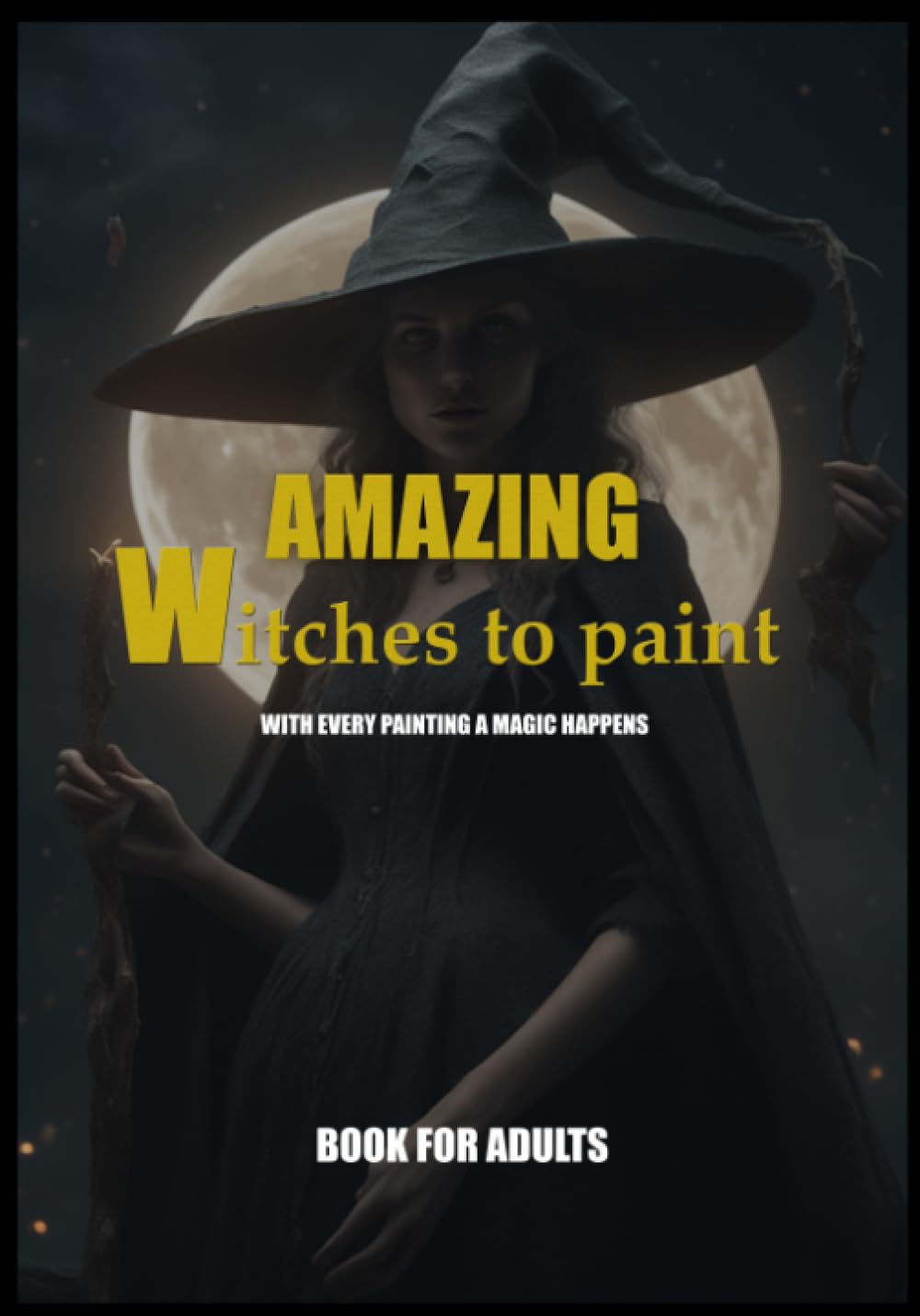
Amazing witches to paint
Product details
| Management number | 232078821 | Release Date | 2026/06/18 | List Price | US$6.90 | Model Number | 232078821 | ||
|---|---|---|---|---|---|---|---|---|---|
| Category | |||||||||
Title: Witch Portrayals in ArtSummary: The depiction of witches in art has been a fascinating and evolving theme throughout history. From ancient folklore to contemporary representations, artists have often used their creative talents to capture the enigmatic allure of witches. This summary explores the evolution of witch portrayals in art, tracing their origins, evolution, and impact on popular culture.Ancient Roots: The concept of witches dates back to ancient civilizations, where they were often associated with mystical powers and connections to the supernatural. In various cultures, artists depicted these figures in diverse ways, blending elements of mysticism, magic, and folk beliefs.Medieval Symbolism: The Middle Ages saw the rise of Christian demonization of witchcraft, leading to dark and often grotesque portrayals of witches as malevolent beings in religious art. These depictions reinforced societal fears and were instrumental in the witch trials of the time.Renaissance Transformation: The Renaissance brought about a shift in artistic interpretation, with witches being portrayed as intriguing, sensual, and empowered figures. Artists like Albrecht Dürer and Hans Baldung Grien captured the complexity of witches through their intricate and detailed works.The Romantic Era: During the Romantic period, witches became emblematic of untamed nature and feminine power. Artists like Francisco Goya delved into the psychological aspects of witchcraft, reflecting the era's fascination with the unknown and the irrational.Modern Adaptations: In the modern era, the portrayal of witches in art has continued to evolve. From the whimsical witches of illustrated children's books to the more sinister and provocative interpretations in contemporary art, witches remain a versatile subject that reflects societal attitudes toward power, gender, and the supernatural.Pop Culture Impact: Witch portrayals in art have greatly influenced popular culture. Iconic images from art history have contributed to the visual language of witches in movies, television shows, literature, and fashion. These portrayals often blend traditional elements with modern aesthetics, shaping the way witches are perceived and understood in modern times.Conclusion: The depiction of witches in art has undergone a dynamic transformation over centuries, reflecting changing beliefs, fears, and societal attitudes. From ancient mysticism to modern reinterpretations, artists continue to explore the enigmatic and captivating world of witches, leaving an indelible mark on both artistic expression and cultural consciousness. Read more
| ASIN | B0CGWYXPRW |
|---|---|
| ISBN13 | 979-8858614821 |
| Language | English |
| Publisher | Independently published |
| Dimensions | 7 x 0.23 x 10 inches |
| Item Weight | 8.8 ounces |
| Reading age | 10 - 18 years |
| Print length | 100 pages |
| Publication date | August 26, 2023 |
Bestseller ranking
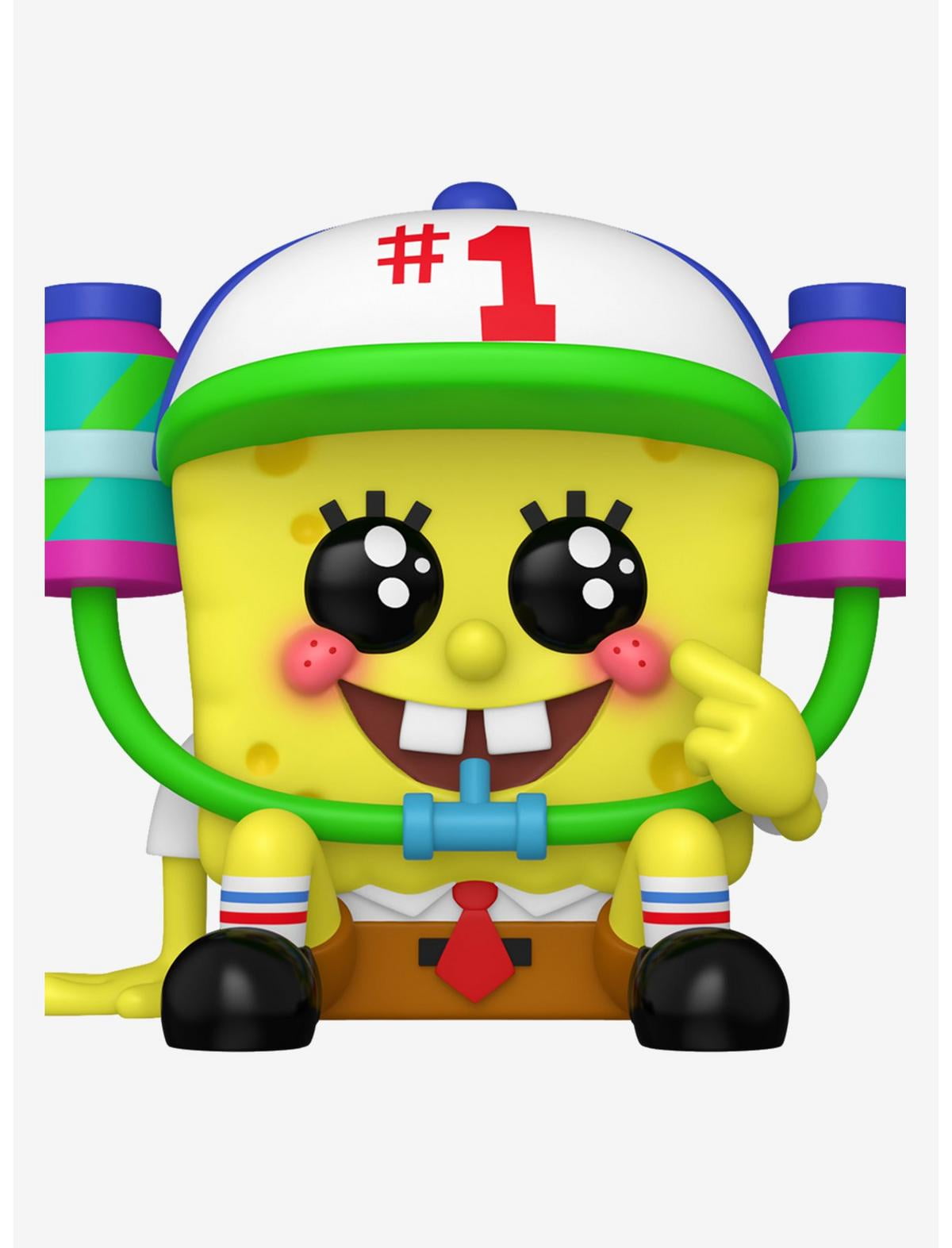
SpongeBob Funko Pop
Correction of product information
If you notice any omissions or errors in the product information on this page, please use the correction request form below.
Correction Request Form